Water Damage Services Explained: How to Keep Your Property Protected
Water damage creates serious hazards for properties, requiring a thorough understanding of available services. Property owners frequently neglect the common causes and early indicators of damage, which may result in expensive repairs. Immediate and informed responses are essential. Consulting professionals can deliver comprehensive evaluations and efficient remediation. Despite this, many homeowners are not fully aware of all the preventive strategies available to them. Investigating these elements can expose critical approaches for defending find out about this your investment against unanticipated water-related problems.
Understanding Common Causes of Water Damage
Water damage may stem from a variety of sources, making it crucial to understand the common causes that lead to such issues. One prevalent cause is plumbing problems, including broken pipes or faulty appliances, which can release significant amounts of water. Weather-related events, such as heavy rainfall or flooding, also contribute to water damage, particularly in areas prone to severe storms. Moreover, roof leaks can appear due to age-related damage, permitting water to penetrate the property. Poor drainage systems and clogged gutters can exacerbate these problems by funneling water to the foundation. Another overlooked cause is elevated humidity and condensation, which can lead to mold growth and structural damage over time. Understanding these common causes can help property owners implement preventive steps, protecting their properties from the potentially severe consequences of water damage.
Recognizing Early Signs of Water Damage
Detecting the initial indicators of water damage is crucial for successful management. Residents should stay alert for certain signs that water damage may be taking place. Discolouring on interior surfaces, often manifesting as yellow or brown stains, can signal roof or plumbing leaks. Additionally, flaking paint or lifting wallpaper may suggest extended exposure to moisture. An unpleasant musty smell often accompanies water damage, pointing to the presence of mold. Residents should also inspect for warped or buckled flooring, which may be caused by absorbed moisture. An additional warning sign is the appearance of condensation on windows or walls, signaling high moisture levels in the air. Early identification of such indicators facilitates prompt action, minimizing the chances of significant damage and expensive restoration. Regular inspections and maintenance can also assist in identifying these indicators, encouraging a proactive approach to maintaining and protecting your property.
What to Do Immediately After Water Damage
Upon encountering water damage, it is critical to take swift measures to prevent additional problems. Initially, shutting off the water supply is essential to prevent additional flooding. Next, thoroughly assessing the damage and recording all details will aid in the recovery process and support any necessary insurance claims.
Halt The Water Source
Identifying and stopping the source of water intrusion is essential in mitigating damage and preventing further complications. Prompt measures should be implemented to reduce the effect on the property. This typically requires identifying the main cause, whether it involves a broken pipe, a damaged roof, or a malfunctioning appliance. Property owners should shut off the water at the main valve to stop the flow, thus minimizing additional water buildup. Under some circumstances, consulting a qualified plumber may be needed to handle the issue properly. Once the source is controlled, it allows for a more manageable recovery process. Promptly stopping the water source is a critical first step in protecting the property from extensive damage.
Evaluate The Damage
After the water supply has been halted, examining the damage becomes essential. This preliminary evaluation requires pinpointing the affected areas, including floors, walls, and personal items. Moisture frequently penetrates building materials, leading to hidden damage that is not always apparent at first glance. Trained experts routinely examine for the integrity of the structure and the development of mold, which can grow quickly in wet surroundings. They may also evaluate the extent of damage to electrical systems and appliances. It is essential to establish what type of water is involved—clean, gray, or black—as this influences the restoration procedure. Swift and precise assessment establishes the groundwork for successful remediation work, ultimately minimizing prolonged effects on the building and ensuring a safer environment for those living or working in the space.
Document All Details Completely
Documenting everything thoroughly is critical in the immediate period of water damage. Such careful documentation serves numerous key roles, including streamlining insurance claims and guiding restoration efforts. Property owners should commence by documenting with clear images of affected areas, taking both broad perspectives and detailed shots of individual areas of damage. In addition, keeping a detailed inventory of compromised possessions, complete with descriptions and approximate values, can be extremely beneficial. It is equally important to record the exact date and time of the occurrence, along with any immediate actions taken, such as calling in qualified specialists. This record-keeping not only aids insurance procedures but also aids in evaluating the extent of damage for future reference. By maintaining thorough records, individuals can secure a more streamlined recovery journey.
How Professionals Can Help With Water Damage
Specialists play a vital part in mitigating the effects of water damage, using targeted approaches to restore affected areas effectively. They begin by evaluating the severity of the situation, using sophisticated equipment to uncover trapped moisture and associated dangers. This meticulous examination allows for a tailored response to each specific circumstance.
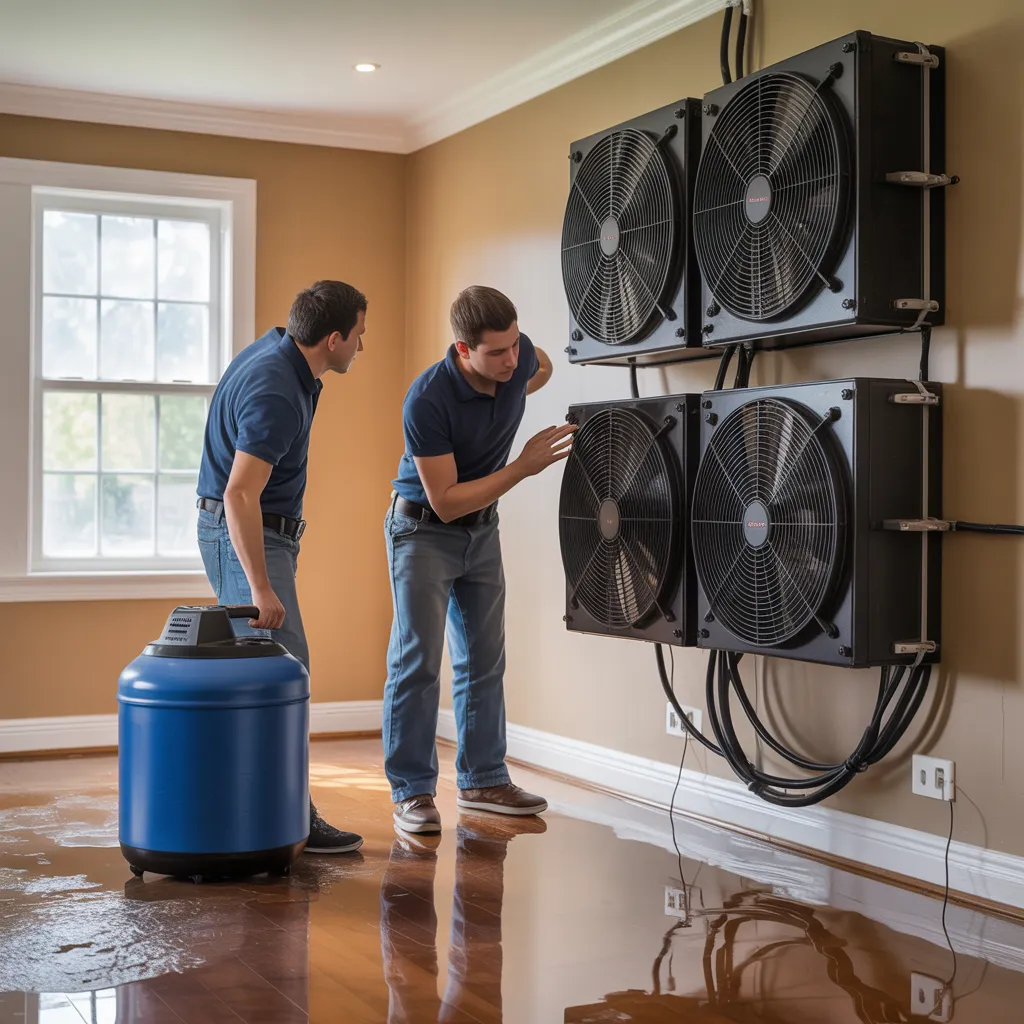
When the evaluation process concludes, specialists utilize precise moisture extraction procedures to extract surplus water from walls, carpets, and surrounding surfaces. Professionals also utilize heavy-duty dehumidifiers and ventilation equipment to encourage swift moisture evaporation, avoiding mold development and structural damage.
Furthermore, trained technicians can identify and address potential sources of water intrusion, presenting guidance for repairs and preventive measures. Their familiarity with property materials and restoration procedures ensures that clients attain the highest quality outcomes. By working with qualified specialists, clients can preserve time, alleviate stress, and defend their investments successfully.
Critical Steps in Water Damage Restoration
Water damage remediation encompasses a series of methodical steps designed to return affected areas to their pre-damage condition. To begin, skilled technicians determine the degree of damage and pinpoint the origin of the water. Following this, the area is secured to prevent further issues, such as mold growth. This is followed by the water extraction stage, where professional-grade equipment swiftly clears pooled water from the area.
After extraction, the drying procedure starts, employing heavy-duty fans and dehumidifiers to guarantee all moisture is removed. Once the area is thoroughly dried, specialists continue with sanitizing and decontaminating surfaces to eradicate harmful contaminants. Repairing and restoring damaged materials, including drywall or flooring, is the final phase, ensuring structural integrity and aesthetic appeal. Throughout the process, records are kept for insurance claims, offering a comprehensive record of the restoration efforts. This structured approach is critical for efficient water damage restoration and safeguarding the property from future issues.
Essential Techniques for Water Damage Prevention
Preventing water damage is vital for both homeowners and property managers, as even minimal moisture intrusion can lead to considerable damage over time. An important method includes regular assessment of roofs, downspouts, and gutters to guarantee they are clear of debris and functioning properly. This stops water from accumulating and seeping into the structure. Furthermore, sealing cracks in the foundation and walls can thwart unnecessary moisture penetration.
Placing sump pumps in basements and verifying correct drainage across the property can further mitigate risks. Homeowners are encouraged to track indoor humidity levels, employing dehumidifiers whenever required to sustain proper conditions. Consistent servicing of plumbing systems, including leak inspections, is vital for early problem detection. Finally, educating residents about water safety and response can empower them to act swiftly in emergencies, decreasing the likelihood of extensive damage. These proactive measures collectively contribute to long-term water damage prevention.
Comprehending Insurance for Water Damage Claims
While maneuvering through the challenges of insurance coverage for water damage, homeowners commonly come across a wide array of coverage options and policies. Basic homeowners insurance might provide coverage for particular types of water-related damage, such as that caused by sudden leaks or burst pipes. However, damage resulting from flooding generally necessitates a separate flood insurance policy, which is critical for homes located in flood-prone areas.
Property owners should carefully review their policy documents to be aware of exclusions and limitations. As an example, incremental damage, such as extended water leaks, is typically excluded from coverage. Additionally, many insurers demand the prompt submission of claims; postponements may lead to decreased payouts or claim denial.
To successfully manage the claims process efficiently, homeowners are recommended to document the damage thoroughly, including photos and written documentation. Consulting an qualified adjuster can also assist in obtaining a fair settlement. Ultimately, being aware of these factors can have a major effect on the healing process following water damage incidents.
Common Questions and Answers
What Is the Typical Duration of Water Damage Restoration?
Water damage restoration generally requires between a few days and several weeks, influenced by the severity of the damage, the impacted areas, and how efficiently the restoration team handles the process.
Is It Possible to Handle Water Damage Repairs on My Own?
Tackling water damage repairs on your own is feasible, but frequently dangerous. Professionals possess specialized equipment and expertise to guarantee thorough restoration, minimizing future complications. Evaluating personal capability versus hiring experts is essential for effective damage management.
What Types of Insurance Cover Water Damage?
Homeowners insurance typically covers water damage caused by unexpected events, while flood insurance specifically addresses damage resulting from flooding waters. Policy specifics vary, so individuals should review their coverage details to secure proper coverage against the risk of water damage.
Do All Water Damage Services Offer the Same Quality?
Water damage services are not all created equal. They vary in expertise, techniques, and equipment used. Certain providers specialize in specific damage types, while others deliver complete remediation options, which impacts overall effectiveness and client satisfaction.
How Do I Find a Dependable Water Damage Service?
To identify a trustworthy water damage provider, one should research local companies, review client feedback, verify professional credentials, and ask for referrals. Comparing quotes and evaluating response times can also aid in making an informed choice.